I used to kill succulents. Every single one. Turns out I was overwatering them like they were regular houseplants — which, if you know anything about succulents, is basically the one thing you’re not supposed to do.
Planter Ideas That Actually Look
Once I figured that out, I got a little obsessed with finding weird, small containers to stick them in, because half the fun of succulents is that they’ll grow in almost anything. Here are ten planter ideas I’ve either tried myself or seen done well enough that I had to write them down. None of these need a ton of money or space — a windowsill, a desk corner, even a bathroom shelf is plenty.
Old Teacups (Yes, Even the Chipped Ones)
My grandmother had a cabinet full of teacups nobody used anymore. Half of them had hairline cracks or missing handles. Instead of donating them, I drilled a tiny drainage hole in the bottom of a few and turned them into planters.
You’ll want a small ceramic drill bit for this — regular drill bits can crack the china. Once there’s a hole, drop in a bit of gravel first, then fill most of the way with cactus soil (not regular potting soil, since it holds too much water and that’s how succulents rot). Something small and rosette-shaped, like an Echeveria, fits a teacup nicely without looking cramped.
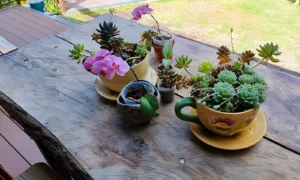
I lined three of mine up on the kitchen windowsill and honestly forgot they were succulents in teacups half the time — they just looked like they belonged there.
Concrete Planters, If You’re Into That Look
Not everyone wants the cottage-y, mismatched china look, and that’s fair. If your place is more minimal, concrete planters hit differently. There’s something about the rough, matte texture next to a soft green rosette that just works.
You can buy silicone molds made for this — hexagons and small cube shapes are common. Mix the concrete thick, press it into the mold, and stick a small plastic cup in the center before it sets so you get a planting cavity. Let it cure for a couple of days (don’t rush this part — I did once and it cracked). Sand the edges down after.
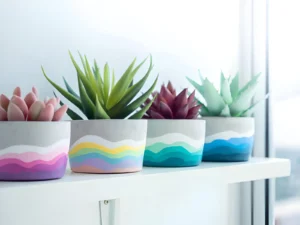
Small Aloe pups or a trailing String of Pearls look sharp against the gray. Three of these on a shelf genuinely looks like a design store display.
Driftwood, for When You Want It to Look a Little Wild
This one takes more patience but the payoff is worth it. Find a piece of driftwood with some natural dips or hollow spots — beach trips work, or craft stores sell decent pieces too if you’re not near the coast.
Widen the cavity a bit with a chisel if you need more room, line it with a scrap of moss so soil doesn’t wash out, then fill lightly with cactus mix. Sedum and Crassula do well here since their roots don’t need much depth. Pack pebbles or dried moss into whatever gaps are left.
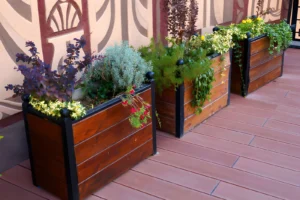
Put it in the middle of a table and it doesn’t even look staged — more like you found a little piece of forest and brought it inside, which is kind of the point.
Hanging Glass Globes Near a Window
These are more fragile and slightly annoying to plant (tweezers help a lot), but the way light hits them is worth the hassle. Get the open or tilted kind, not the fully closed terrariums — succulents need airflow, and a sealed globe traps too much moisture.
Layer pebbles, a thin bit of charcoal, then a small scoop of soil. Use tweezers to lower a small rosette in without crushing the leaves. Hang from cord near a window, but not pressed right up against the glass — too much direct heat through glass can actually scorch them.
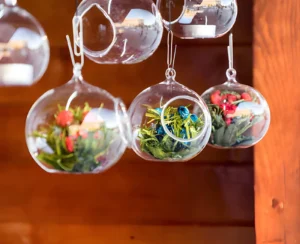
Hang two or three at slightly different heights instead of all in a row. Looks far less like a craft project that way.
Tin Cans, Because Sometimes You’re Broke and That’s Fine
Empty soup cans, bean cans, whatever’s in your recycling bin — wash them out, smooth the rim with pliers so you don’t cut yourself, and punch a couple of drainage holes in the bottom. That’s basically it.
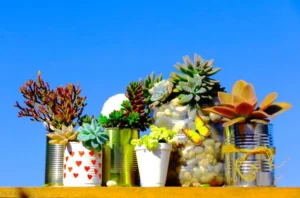
Paint them, wrap twine around them, or just leave the metal bare for an industrial look. Fill with cactus mix, plant something low-maintenance like Sedum, and you’re done. This is genuinely the cheapest idea on this list, and it still looks intentional if you group a few different sizes together on a tray.
A Vertical Frame If You’re Out of Counter Space
This one’s more of a project than the others, so don’t start it the night before you want it done. You need a shallow wooden frame, maybe 3-4 inches deep, lined inside with landscape fabric.
Pack it with soil while it’s lying flat, press succulent cuttings directly in with some room to spread, and — this is the part people skip — keep it lying flat for two to four weeks so the roots actually take hold before you hang it up. Water by misting during that time.
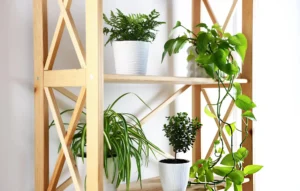
Once it fills in, it looks like a living mosaic. Worth the wait, but it is a wait.
Painted Terracotta Pots
Cheapest and easiest project on here, honestly. Plain terracotta pots — a couple bucks each — cleaned, dried, then painted however you want: dip half in white paint, do stripes with painter’s tape, or dot patterns with the eraser end of a pencil.
Seal it with a matte spray so moisture doesn’t wreck the paint job. Plant something different in each one so they don’t all look identical. Cluster them on a nightstand or entry table. Takes an afternoon, looks custom.
Seashells, If You’ve Got a Beach Habit
I have a drawer full of shells from various vacations that were doing nothing but collecting dust, so this felt obvious once I thought of it. Big shells with a deep bowl — abalone or clam shells work best — can’t really be drilled for drainage, so you compensate with a thick pebble layer at the bottom instead.
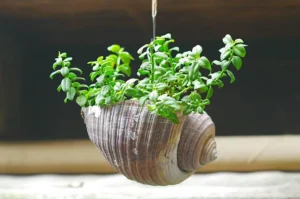
Charcoal layer, then soil, then something shallow-rooted like a small Echeveria. Water sparingly here, maybe once every couple of weeks, since there’s no way for excess water to drain out. Looks especially good in a bathroom if you want that quiet coastal thing going on.
A Tiny Landscape in a Shallow Box
This is the most time-consuming one, and also my favorite. Get a shallow tray or box, a few inches deep, and instead of just planting succulents in it, actually design a little scene — pebbles for a path, taller plants standing in for trees, low ground-cover types filling in the rest.
It sounds like overkill until you see it finished. People genuinely lean in close to look at it on a coffee table.
Painted Concrete Blocks for Something Bolder
For a porch or patio, or even an indoor corner if you’re feeling bold — cinder blocks, painted. Clean them, paint with exterior spray paint (bold colors work better than pastels here), seal it, then fill the openings with cactus mix and plant something upright like Agave or a tall Crassula.
Stack a few in a small pyramid shape on a porch step. It reads as intentional garden design, not “I painted a cinder block.”
None of these need much money or a particularly green thumb — the plants themselves do most of the work. Pick whichever one matches what you’ve already got lying around the house, start with just one, and don’t stress if the first attempt isn’t perfect. Succulents are pretty forgiving about that.